Himachal Pradesh · 2026
Festivals & Events
Worth Visiting For
Himachal Pradesh has some of India's most distinctive festivals and seasonal events — many of them centuries old, most of them unknown outside the state. This is our curated list of what's happening and when to be there.
Summer Festival Shimla 2026
Organised by the Himachal Pradesh Tourism Development Corporation, the Summer Festival is one of the state's most attended annual events. Spread across the Ridge, Gaiety Theatre, and Lakkar Bazaar, it brings together folk performers, classical musicians, and artisans from every district of HP. You'll find Nati dancers from Kullu, Kinnauri weavers, Pahari paintings, and a food court that covers regional cuisine you won't find in any restaurant. It typically runs four to five days in early June and coincides with the start of peak season — Shimla gets crowded, so accommodation books out fast.
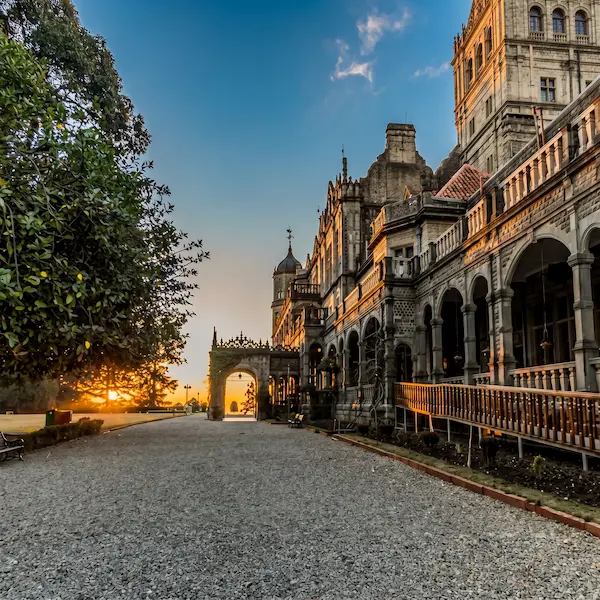
Minjar Fair, Chamba
The Minjar Fair is one of the oldest documented festivals in Himachal Pradesh — records of it go back to the 10th century, when the Chamba royal family began the tradition of celebrating the corn harvest. The highlight is the ceremonial procession on the final day, where silk tassels called minjars are offered to the Ravi River by the local raja's family in a tradition unchanged for over a thousand years. Outside of the procession, the town fills with folk music, street markets, and performances from villages across the Ravi valley. Chamba is undervisited compared to Shimla or Manali — this is a good reason to go.
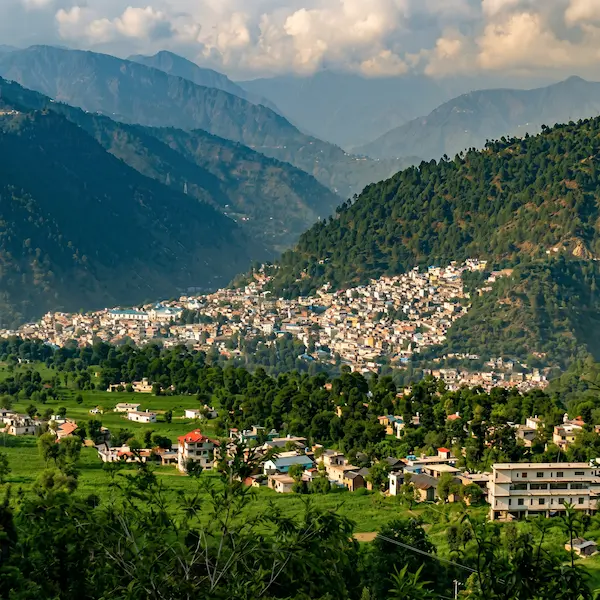
Buransh Rhododendron Season, Shimla Hills
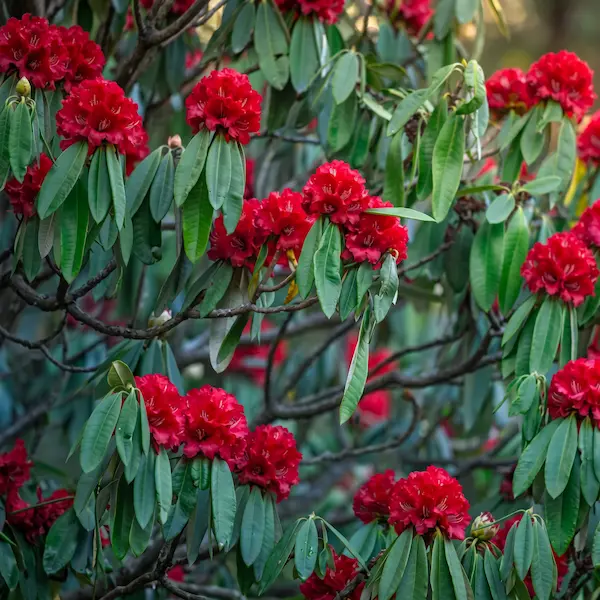
Every April, the forest ridges of the Shimla hills — particularly around Chail, Kufri, and Fagu — turn a deep crimson red as rhododendron trees come into bloom. The Buransh, as it's known locally, is the state flower of Himachal Pradesh. The bloom lasts roughly three weeks before warm temperatures push it out. The juice of the flower is used in a local drink sold at roadside stalls throughout the season. This isn't an organised event — it's a natural phenomenon — but it's one of the most visually striking things Himachal offers and most people outside the state never plan around it.
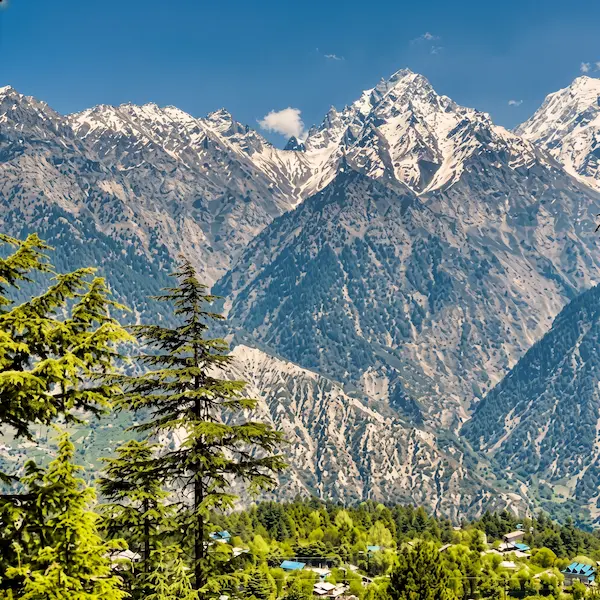
Kinnaur Kailash Parikrama Season
The Kinnaur Kailash Parikrama is an 80km circumambulation of the Kinnaur Kailash mountain range, considered one of the holiest sites in the Himalayan religious tradition. The route passes through remote villages, high-altitude meadows, and a landscape that has not changed in centuries. The season opens around Independence Day and closes before October. Unlike more commercial pilgrimages, this one is still largely attended by local Kinnauri and Himachali communities — there's no organised tour infrastructure, and the few guesthouses along the route are family-run. If you're planning to visit Kinnaur, timing your trip to this window puts you in the middle of something genuinely rare.
Kullu Dussehra International Festival
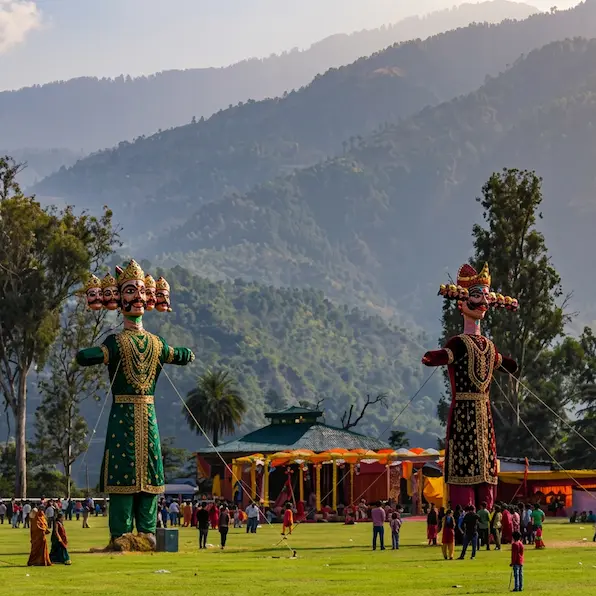
While the rest of India celebrates Dussehra for a single day, Kullu's version runs for seven. More than 300 local deities — each one carried in a wooden rath by their village's devotees — are brought in procession from surrounding valleys to the Dhalpur Maidan in Kullu town. The scale of it is genuinely difficult to describe: hundreds of people walking for days to participate in something their families have been part of for generations. The festival was granted international status by the Government of India in 1972 and draws visitors from across the world, though the core of it remains a deeply local affair. October in Kullu is also when the apple harvest is winding down and the Beas is at a good level — it's one of the best times to be in the Kullu Valley.
Lavi Trade Fair, Rampur Bushahr
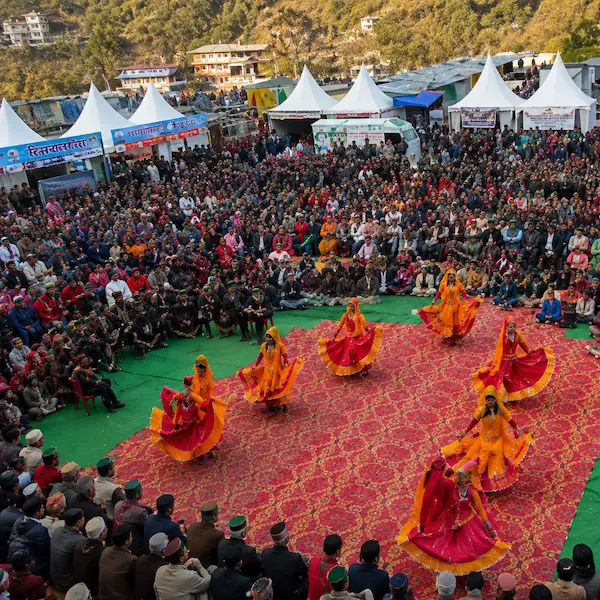
The Lavi Fair in Rampur is one of the oldest trade fairs in Asia — it predates the British era and was historically the meeting point between Tibetan and Indian traders crossing the high passes before winter closed them. Today it still draws traders and artisans from across Himachal, Kinnaur, and communities from the Tibetan plateau. You'll find Kinnauri shawls, dried apricots, pashmina, Tibetan artefacts, local honey, and produce from the Sutlej valley. It's held in November when the mountain passes are closing for winter — the timing has barely changed in several hundred years.
Information on this page is verified with local sources. Dates may shift slightly year to year — we update as confirmed.